
Use paths
Presses
ICC profile work shaped around actual South African printshop weeks.
Starter Floor
A solid starting route for new large-format setups in South Africa, written for crews who already understand print production.

Scale Up
A workable route for growing output on South African large-format floors, written for teams who know the daily routine.
Education Cell
A hands-on route for training bays on South African print floors, written for operators who already work the machines.

Export Line
For export work, the press setup needs repeatable colour across PVC banner, SAV, and coated textile rolls. ICC profile checks usually start with heater balance, pass mode, and linearisation so cartons packed in Durban or Cape Town match the approved sample. Ink limits matter where long sea freight and shelf display can expose weak solids or muddy greys.

Retail Bay
A useful route for retail print bays in South Africa, written for teams who already handle day-to-day output.

Warehouse Loop
A warehouse press line often runs wide media, forklift movement, and dust that settles fast around feed paths. That changes daily checks on pinch rollers, vacuum strength, and nozzle condition, especially on FastJET, Stormjet, and Skywalker units parked near dispatch doors. Colour notes for this kind of site must account for stock changes between pallet loads.

Coastal Site
A practical route for coastal print sites in South Africa, written for teams who already manage the floor.
Highveld Site
A practical route for Highveld print sites in South Africa, written for teams who already run the work.

Overnight Run
Night production puts extra focus on stable presets that can hold through long banner and vinyl runs. Operators usually watch head temperature, negative pressure, and take-up tension more closely when one shift hands straight into the next. In inland winter conditions, dry air can change static behaviour and affect feed consistency before sunrise.
Demo Path
A demo press should show more than a bright test file on easy media. Better checks include skin tones, deep blue panels, fine black text, and a solid red block on the actual substrates a buyer plans to run in South Africa. Cartridge notes also help compare how different ink sets behave during purges, starts, and restarts.
Service First
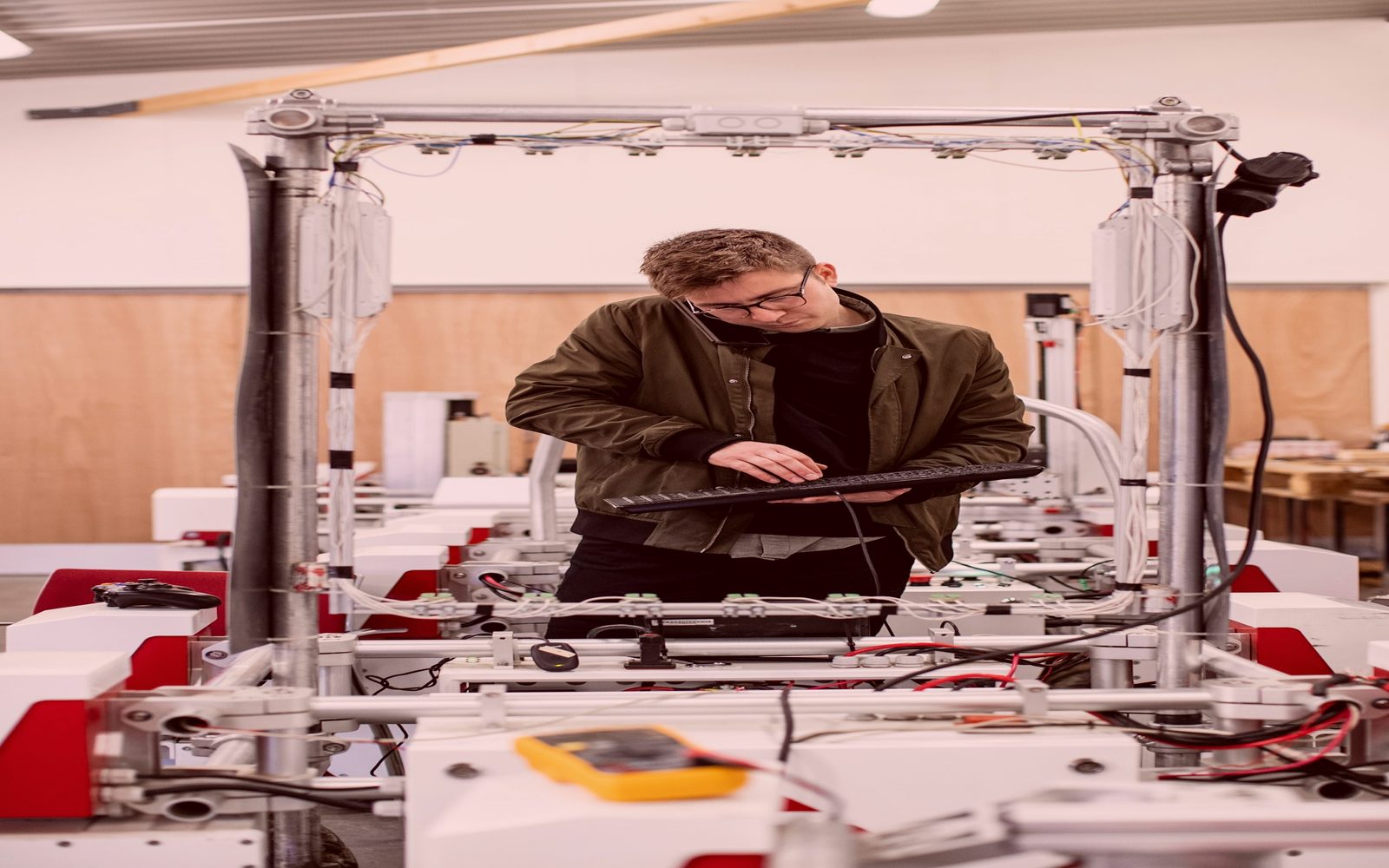
Service planning for a press starts with the parts and checks that stop colour drift before it spreads across a roll. Capping stations, dampers, wipers, encoder strips, and vacuum zones all affect whether an ICC profile still tracks after maintenance. Coastal humidity and Highveld dust do not stress the same components in the same way.
Training First
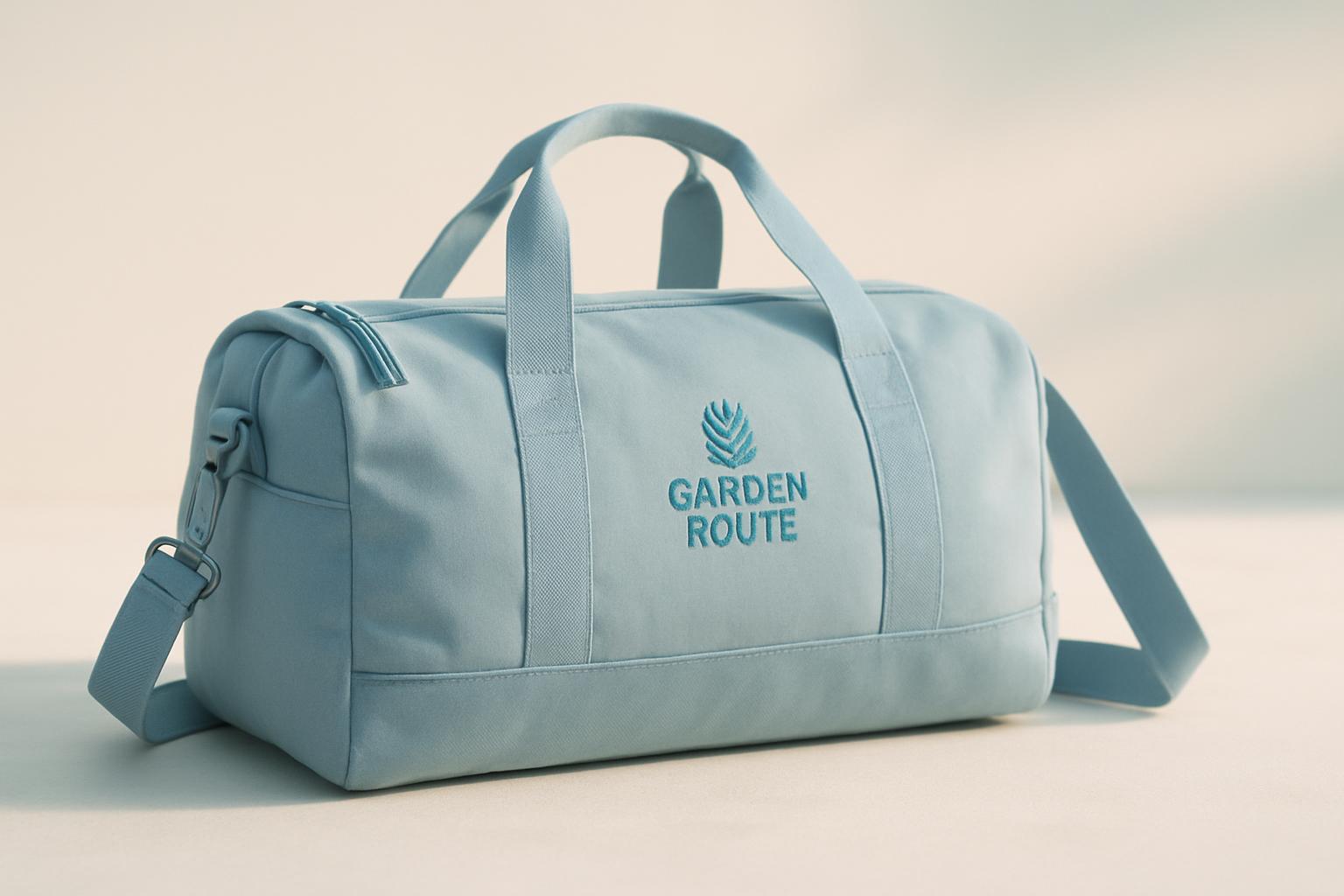
Press training works better when operators read output faults from the print, not only from the panel. A useful session covers nozzle loss patterns, bidirectional alignment, heater effects on media stretch, and the point where extra ink stops helping density. On UV and eco-solvent systems, cartridge handling and purge habits also change day-to-day consistency.
Spares Ready
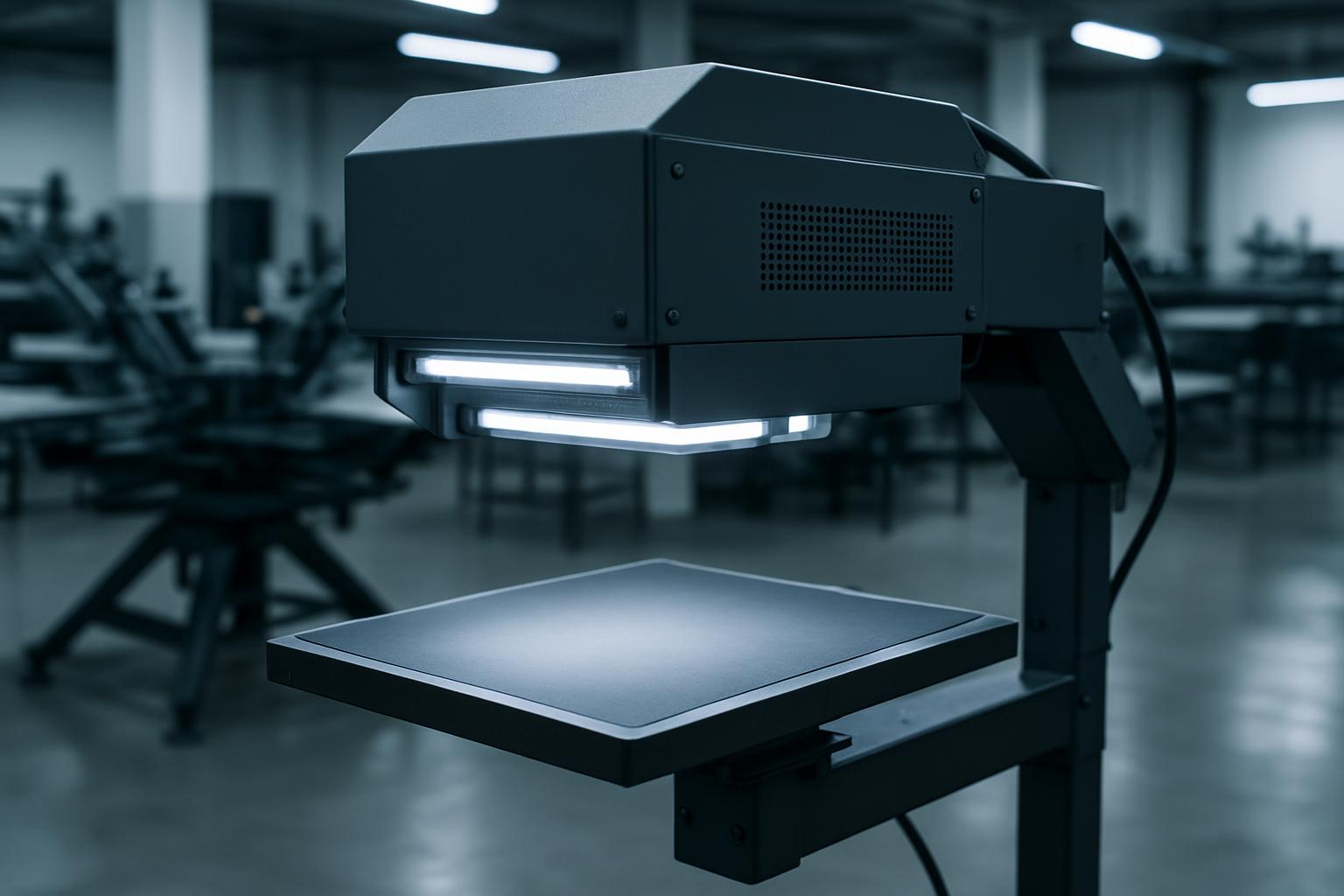
Keeping press spares on hand is less about a long list and more about the parts that interrupt production first. Dampers, caps, wipers, fuses, ink filters, and compatible cleaning fluids are common pressure points on large-format units. Where a site runs mixed media every day, even a worn pinch roller can shift colour by changing feed accuracy.
Audit Week
An audit week on the press side usually exposes small setup drift that daily output has been hiding. Test charts, nozzle records, pass mode use, and substrate-specific presets give a clearer picture than job totals alone. It also helps to compare one approved profile against the current machine state on the same media batch.

Handoff Pack
A proper handoff pack for a press should record the settings that actually produced saleable work. That includes media name, heater values, pass count, head height, vacuum level, RIP preset, and the ICC profile tied to that combination. Notes on cartridge batch behaviour can be useful where one colour channel has shown weaker density or slower recovery.

Multi Site
Multi-site press work needs one naming method for media, profiles, and machine presets before colour comparisons mean anything. A Johannesburg unit and a coastal unit may share the same printer model yet need different heater or vacuum settings to hold the same result. Central records are most useful when they track each press by condition, ink set, and substrate family.