
Presses
Spares Ready
Spares Ready covers the parts that stop output first on FastJET, Stormjet, and Skywalker machines. It is aimed at sites that want stock decisions tied to nozzle condition, carriage wear, ink delivery faults, and repeatable colour results.
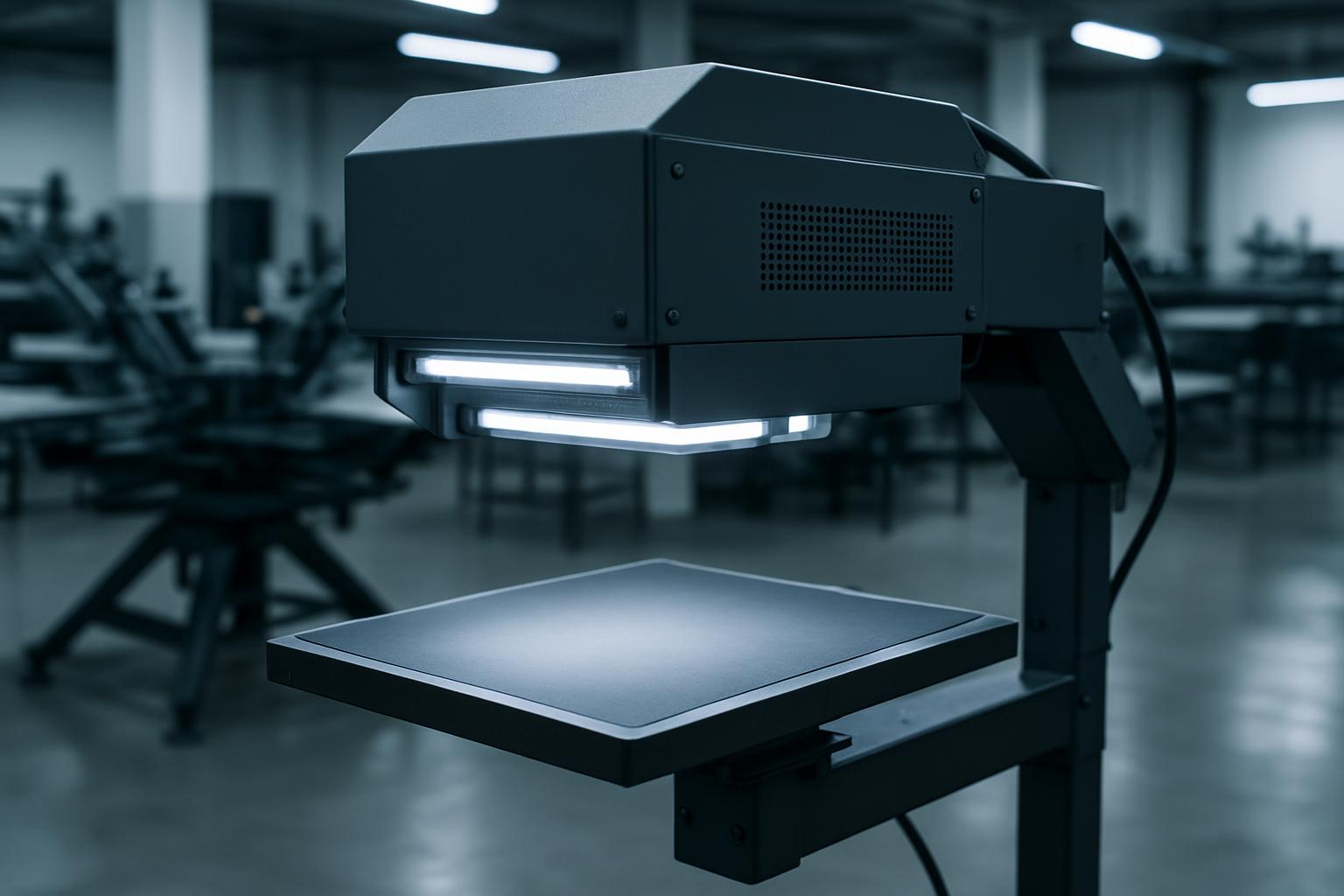
Parts to keep beside production
Keeping key parts on hand helps print floors avoid stoppages that interrupt production. Sensible spare planning also supports colour stability, profile consistency and cartridge handling.
Start by listing the machine, head count, ink set, and the faults seen in the last month. Dust on the Highveld, salt air near Durban, and interrupted power all change which dampers, capping parts, wipers, sensors, and boards should sit on the shelf. A spare plan makes more sense when it is linked to the media you print most and the profiles that must hold colour across repeat jobs.
Photos matter most before anyone removes covers or swaps a part. Clear shots of the carriage area, ink lines, capping station, control panel errors, and the last usable print help separate a consumable issue from a board or head problem. That record also helps keep the replacement matched to the machine state that produced the current ICC result.
What the brief should contain
Send the failure point, the spare stock on hand, and the checks completed before production stopped. Include nozzle test images, recent cartridge changes, cleaning frequency, and whether the issue appears on one colour channel or across the set. A short note tied to one machine and one fault is usually more useful than a long chain mixing several jobs together.
Check the matching Presses page and compare against your latest Profiles record or Swatches sample so the spare decision does not ignore the colour baseline.
- Shelf stock linked to fault history
- Nozzle tests saved before strip-down
- Photos of sensors, caps, dampers
Conditions that change spare choices
Johannesburg dust loads up rails, fans, and sensors differently from a coastal room in Cape Town or Durban. Courier timing to smaller centres can also influence whether you hold an extra cap top, pump, fuse, ink pump, or encoder strip on site. If a FastJET, Stormjet, or Skywalker unit is carrying repeat retail work, note which interruption caused waste first rather than listing every older fault.
Humidity can shift cleaning intervals and affect how long opened cartridges remain stable in use. Load-shedding history matters too, especially where shutdowns have preceded head strikes, board faults, or ink circulation interruptions. Keep those operating conditions with the spare note so colour drift is not mistaken for a simple part failure.
Operated by Astros Marketing (Pty) Ltd from 2 Makro Place, Sunnyrock 1401.
Records to store with the machine
Send the Spares Ready brief with photos, spares on hand, timing, and what has already stopped production. Use a subject line that matches the problem.
Keep the last accepted nozzle pattern, media preset, pass count, heater setting, and ink batch reference with the spare list. When a damper, pump, board, or head is replaced, those notes make it easier to check whether the printer has returned to the same output standard as before the stoppage.
What our Colour Management customers say
Verified Google reviews