
Presses
Starter Floor
A solid starting route for new large-format setups in South Africa, written for crews who already understand print production.
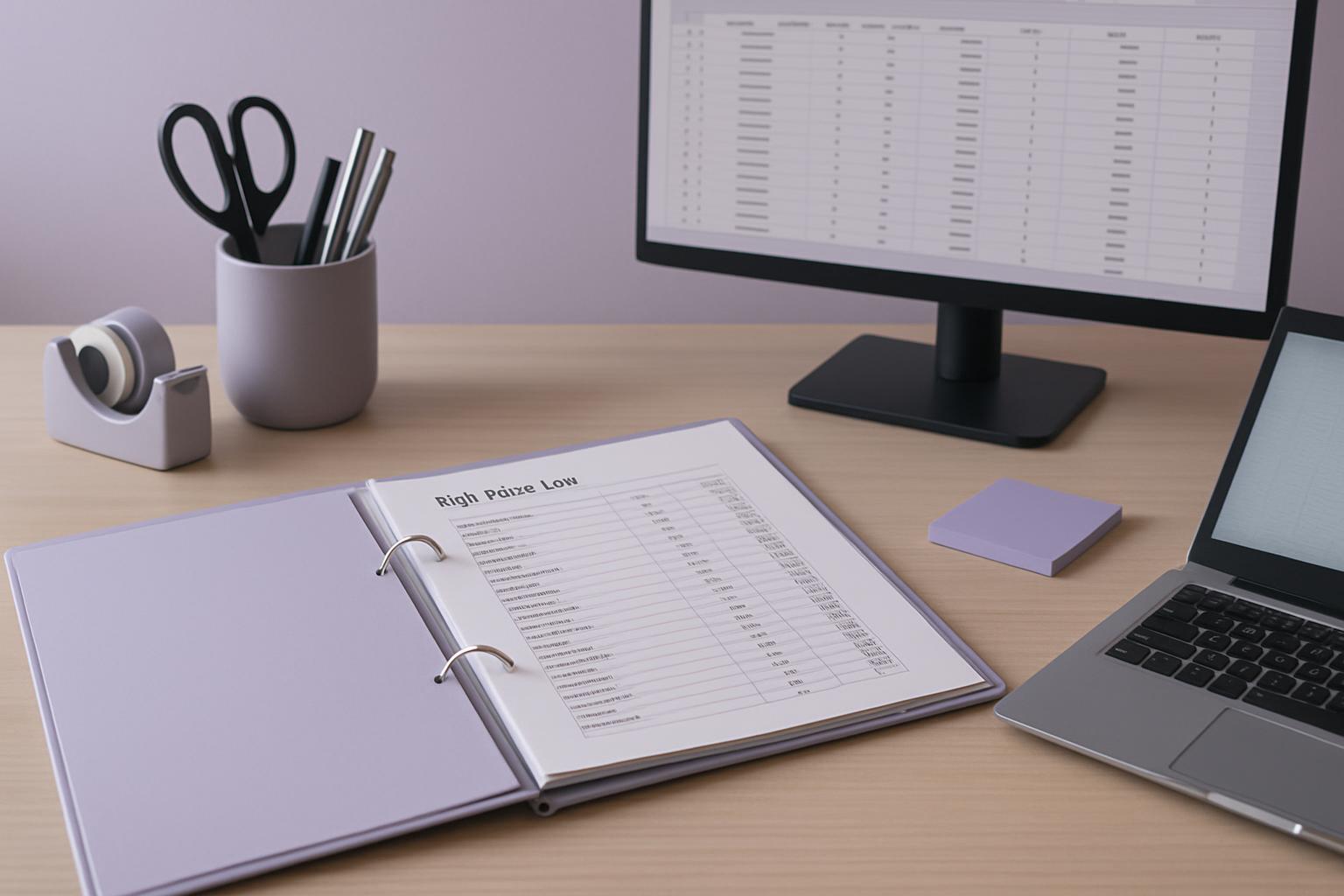
First-week setup on SA presses
Starter Floor is built for a new large-format setup that needs workable colour standards from the beginning. It gives South African teams a practical starting point for ICC profiles, cartridge notes and day-to-day output control.
Start with the media in use, the printable width, and the limits of the site. Highveld dust, Durban moisture, load-shedding, and courier cut-off times all shift how profiling and cartridge planning should be handled. In Johannesburg, Cape Town, Durban, and smaller walk-in print shops, one readable test sheet is worth more than another PDF.
Photographs of the printer, ink train, and media storage matter at the start because they show what the written brief often misses. A pinned machine note helps crews record nozzle status, pass mode, heater settings, and the date of the first acceptable sheet. That record is useful when output drifts after a stop-start shift or after a cartridge change.
What goes into the starter brief
You come away with one defined next action, a check sheet, and an email record that names the SKU or printer setup clearly. The aim is usable control during production, not a pile of options for a meeting table. One profile route that stays steady through a full shift counts more than five clever variations.
Link this starting setup note to the matching presses page and a swatches record before you expand media choices. Run one final swatch or nozzle check before the Bellville parcel leaves with the courier. ICC work starts from a test print on your usual roll, together with the RIP version you run.
- Baseline settings for first production runs
- Photos of nozzle checks and media load
- Machine list and ink details captured
Conditions that affect first output
We account for OR Tambo dispatch pressure, Sunnyrock warehouse cut-offs, Crown Mines production traffic, and display-hour restrictions at smaller mall sites. Some teams arrive with a used machine, mixed cartridges, or settings handed over without labels. Flag any rush job on its own, apart from the regular production schedule.
Coastal humidity can change drying behaviour and how vinyl or banner stock sits on the machine. Highveld dust often shows up first in cleaning frequency, sensor trouble, and inconsistent early prints after idle periods. Where load-shedding interrupts runs, the first stable sheet should be dated and compared against the previous accepted sample.
Operated by Astros Marketing (Pty) Ltd from 2 Makro Place, Sunnyrock 1401.
Records to keep near the printer
Send the Starter Floor brief with photos of the print area, machine list, timing, and what is already confusing the team. Keep the subject line simple and clear.
Keep the calibration sheet with the test prints, media label, and the exact RIP settings used on the approved sample. When a buyer queries colour or a reprint is needed, that paper trail is more useful than memory from a rushed handover. Include cartridge positions, pass count, and any cleaning done before the accepted output was produced.
What our Colour Management customers say
Verified Google reviews