
Catalogue
Profiles
ColourRight is a South African team for ICC profiles, media pairing, and print notes that stop colour drift.

Fastjet ICC
Fastjet ICC profiles are set up for the media combinations most often seen on South African solvent and eco-solvent work, including vinyl, banner and backlit film. Notes cover ink limits, heater ranges and the test patches worth checking before a long production run starts drifting.

Stormjet ICC
Stormjet ICC work focuses on getting stable colour from broad-format jobs where pass mode, head height and drying settings can shift the result. Each profile entry points to sensible pairings for common media and flags the checks that matter when density looks right but greys still wander.

Skywalker ICC
Skywalker ICC profiles are listed with the sort of print conditions that affect output in day-to-day sign production, from carriage speed to curing balance. Where a media type is touchy, the notes call out feed behaviour, shadow detail and the settings that help keep repeat jobs matching.

Textile ICC
Textile ICC entries deal with fabric behaviour first, because weave, coating and ink holdout can change colour faster than the file does. You will see guidance for transfer and direct applications, plus checks for black depth, edge bleed and post-print handling.

Vinyl ICC
Vinyl ICC profiles are grouped around the materials most shops run every week, such as monomeric, polymeric and cast stocks. The accompanying notes focus on adhesion-safe heater settings, total ink load and the colour shifts that show up between gloss and matte faces.

Backlit ICC
Backlit ICC profiles are built around transmission rather than only surface appearance, so daytime and night-box viewing are both considered. Density control, neutral greys and hotspot avoidance get special attention because these jobs often look acceptable on the bench but fail once illuminated.
Media Pairing
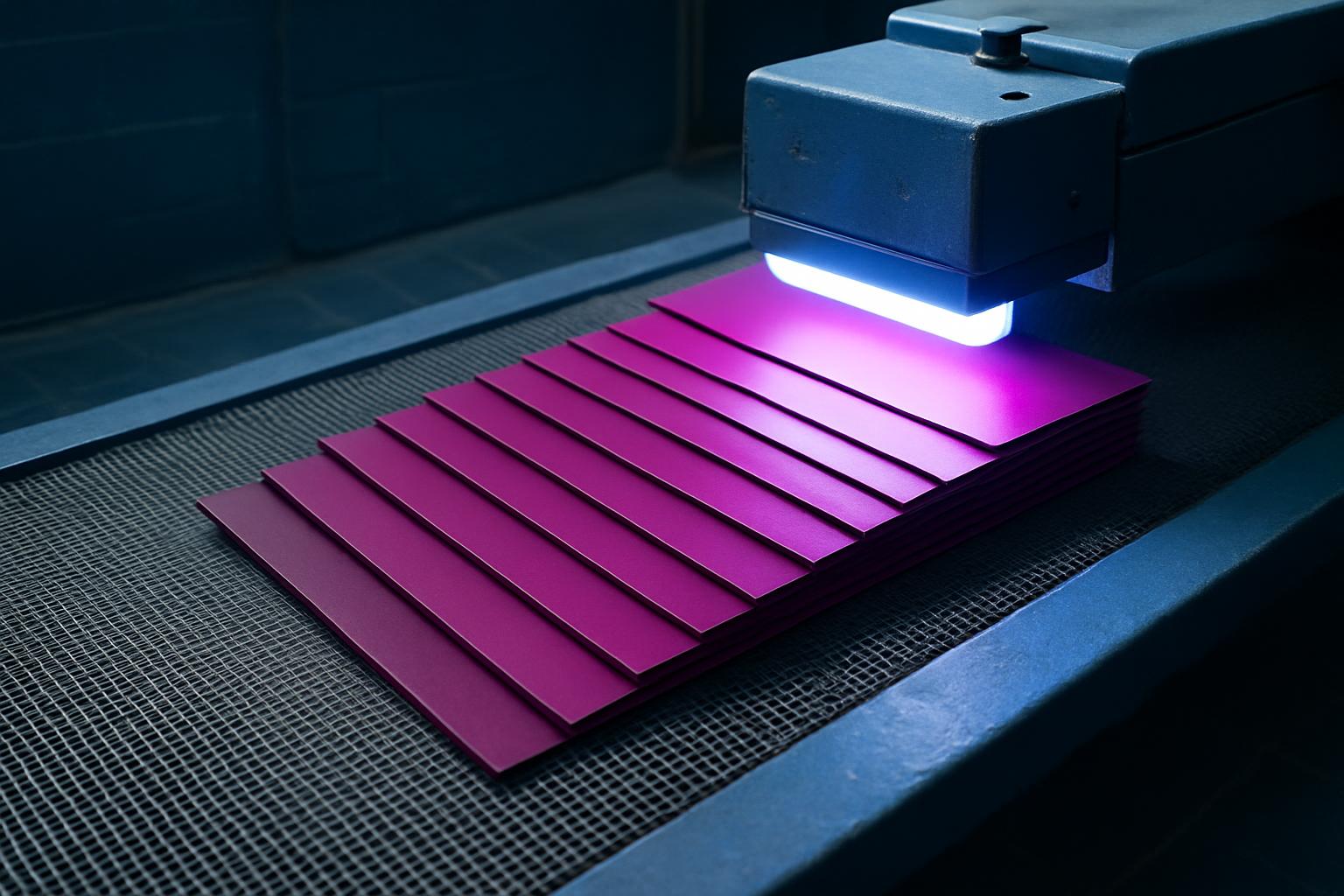
Media pairing links a profile to the substrate it was actually tested on, which matters when two white vinyls carry very different coatings. ColourRight records the combinations that print cleanly, dry properly and hold colour without forcing excessive heat or heavy compensation.
Soft Proof
Soft proof notes help translate press behaviour to screen review before ink is spent on a full panel. Monitor targets, viewing conditions and profile intent are set out so artwork checks make sense for signage, display film and other large-format output.

Cartridge Notes
Cartridge notes track the ink details that tend to affect consistency, including set changes, storage conditions and lot-to-lot behaviour. When a machine starts shifting after a swap, these records help isolate whether the issue sits with ink, media, environment or setup.

Linearization
Linearization sets the ink limits and channel balance before a profile is built for FastJET, Stormjet or Skywalker output. On UV, solvent and eco-solvent setups, the curve checks usually focus on smooth ramps, clean neutrals and whether heaters, pass count or head height are affecting laydown. In Gauteng's dry air and in coastal humidity, those baseline readings often shift enough to justify a fresh chart rather than reusing old settings.
Delta E Check
Delta E check entries are used to confirm whether a profile is still landing inside a workable tolerance on press. Spot readings, neutral ramps and repeat charts are reviewed with the local print environment in mind, including heat, humidity and dust that can creep into production.
Lab Day
Lab Day gathers the measurement side of profiling into one working session, from target printing through to chart reading and result review. It is where questionable media, unstable channels and odd colour casts are easier to catch before they become a customer-facing mismatch.

Coastal Pack
Coastal Pack deals with the colour drift, media handling and drying issues that often appear once a coastal printer moves beyond its first steady run.

Highveld Pack
Highveld Pack addresses the dust, static and altitude-related print issues that usually show up after the easy first week.

Night Shift
Night Shift focuses on unattended print risks like nozzle loss, heater consistency and take-up tracking that only show themselves after dark runs begin.
Export Week
Export Week handles the profile checks, packing notes and print consistency issues that matter when work must leave through OR Tambo or long courier routes.

Training Day
Training Day covers the operator mistakes, repeat questions and workflow gaps that become obvious once the team starts running live jobs.

Spares Bridge
Spares Bridge deals with the odd stock and cartridge issues that crop up once the printer room settles down.