
Swatches
Warehouse Pace
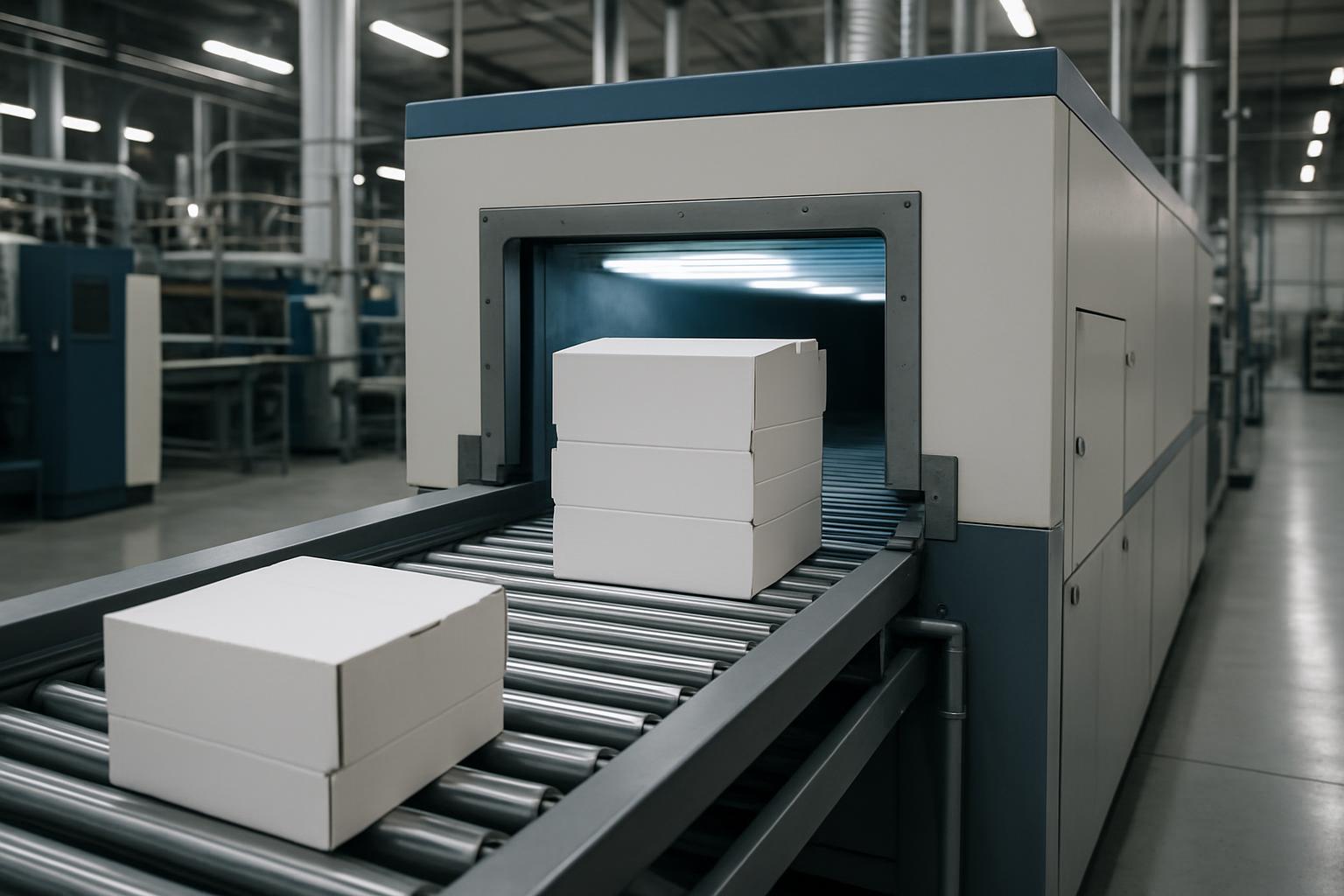
A quick print-floor note on keeping FastJET, Stormjet and Skywalker jobs moving cleanly through the day.
Print rooms run smoother when rolls, cartridges and finished work are not fighting for the same space. Warehouse Pace is a note on stock flow around South African large-format operations, with a focus on media condition, handling and job readiness.
Warehouse Pace is about movement inside the print room, not copywriting. Rolls waiting to acclimatise, half-used cartridges, and boxed work for dispatch need separate space if FastJET, Stormjet, and Skywalker queues are to stay readable.
Roll staging before first print
- Media arrival date marked clearly
- Photo of roll storage, trolley, or packing area
- Current job queue noted by media width and finish
- FastJET, Stormjet, or Skywalker cartridge set listed
Treat this swatch note as a stock-handling reminder, not only a print comment. Cartridge decisions make more sense when the team knows which rolls are open, which jobs are waiting, and which material still needs time in room conditions. That link between stock and output is where stoppages usually start.
How Warehouse Pace affects cartridge notes and stock
Warehouse Pace is about keeping work flowing without muddled handovers or preventable stoppages. For FastJET, Stormjet and Skywalker output, organise the day so jobs move cleanly from setup to finished print.
Start with where the media sat overnight and how it reached the printer. A roll moved from a cold delivery bay straight onto a FastJET can behave very differently from one left in the print area before loading. In Johannesburg dryness, Durban moisture, and Cape Town winter damp, that storage gap often shows up before any profile issue does.
Label the first usable swatch against the rack or trolley used for that stock. That gives the next shift a visible reference when similar vinyl, paper, or banner arrives with different packaging notes. One marked sample beside the machine can stop repeated test runs on the same width.
Handovers that keep jobs moving
A useful Warehouse Pace routine leaves a short record with the material, the printer, and the next action. Instead of chasing memory across shifts, the operator can see whether a roll is ready, whether a cartridge was changed, and whether a rerun was caused by handling rather than colour. That saves stock on busy dispatch days.
Check the matching Profiles, Presses, and Swatches entries when one stock line keeps causing delays. Before a Bellville or Midrand parcel leaves, confirm the printed set is boxed away from fresh media and loose cartridges.
- Stock flow mapped to actual print traffic
- First loaded roll checked for edge damage
- Cartridge changes noted at machine side
Storage habits under SA conditions
Warehouse Pace matters when dispatch and production share the same square metres. In Crown Mines, Epping, and Durban North light industrial units, rolls often move past packing tables, couriers, and cut work before they reach the printer. A note on stock direction can prevent scuffed media, mixed job lots, and cartridges being fetched twice.
Coastal humidity can soften packaging and change how media feeds after unwrapping. Highveld dust settles quickly on open stock and around loading points, especially where roller doors stay open through the day. Load-shedding also changes when teams prep, print, and pack, so staging needs to be obvious without a long explanation.
Operated by Astros Marketing (Pty) Ltd from 2 Makro Place, Sunnyrock 1401.
Pin-up checks near the loading bay
A quick print-floor note on keeping FastJET, Stormjet and Skywalker jobs moving cleanly through the day.
Keep a short Warehouse Pace sheet with the rack, not buried in a folder. Note the media type, arrival condition, printer allocated, and whether the first swatch was accepted or held back. That written trail helps when the same stock returns for a repeat job later in the month.
What our Colour Management customers say
Verified Google reviews